
What cold pressed actually means
Most juice is made with a blade. A centrifugal juicer spins produce at high speed, shredding it apart and flinging the juice out through a screen. It’s fast, and it’s how the majority of juice on a grocery shelf gets made.
Cold pressing works differently. Instead of cutting, it squeezes. Fruit and vegetables go under pressure, and the juice is pressed out — no blade, no heat, no water, no concentrate. What ends up in the bottle is what came out of the produce.
That distinction sounds small. It isn’t. Heat and speed are the two things that change juice the most, and pressing avoids both. The result tastes like the ingredients it came from, because that’s all it is.
Every bottle is whole fruit and vegetables
Read the ingredient list on any of our juices and you’ll notice something: it’s just food. Carrot, apple, beet, lemon. Cucumber, spinach, celery, kale. No added sugar, no concentrate, no water doing the work that produce should be doing.
It takes a lot of produce to fill one bottle — that’s the honest tradeoff of pressing. You’re drinking a real quantity of vegetables and fruit, which is the whole point. Sweetness comes from the fruit itself. Apple does most of the lifting, and it’s why a juice with kale, celery and parsley in it still tastes like something you want to finish.
We press in small batches for the same reason we cook the way we do. Smaller batches mean closer attention.
The lineup
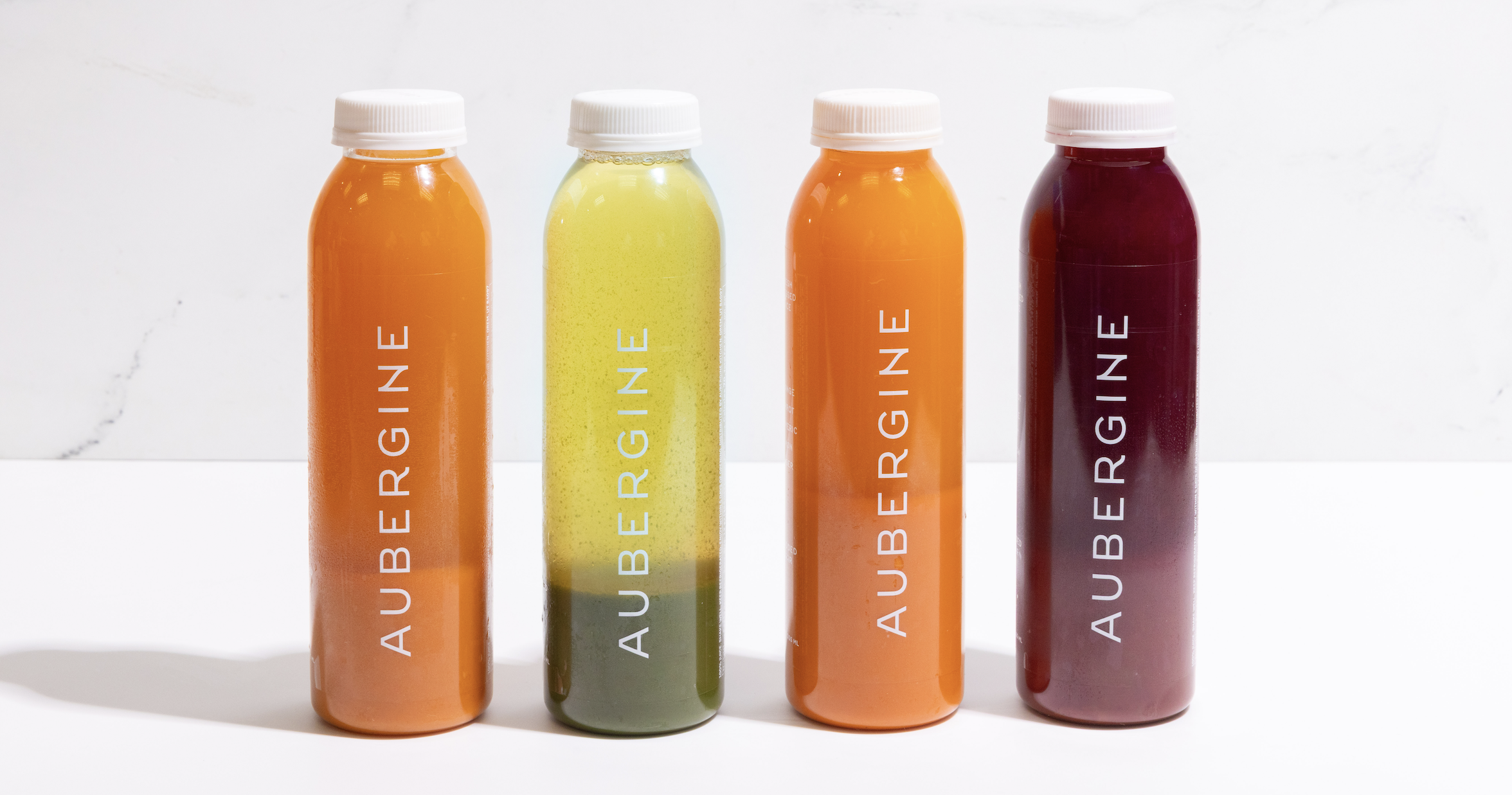
Four cold pressed juices, each built around a different idea of what you might want.
Sol — Orange, apple, carrot, beet, ginger and lemon. The brightest of the four. Citrus forward, with ginger underneath it and enough beet to give it depth. A good first juice if you’ve never had a cold pressed one.
Terra — Carrot, apple, beet and lemon. Four ingredients, nothing else. Earthy and clean, sweet from the carrot and apple, with the mineral quality that beet brings. Simple in the best way.
Selva — Cucumber, apple, spinach, celery, kale, lemon, parsley and ginger. This is the green one, and it doesn’t apologize for it. Cucumber and apple keep it drinkable, lemon and ginger keep it sharp. If you want vegetables and you want to taste them, this is yours.
Luz — Carrot, turmeric, lemon and ginger. Warm, a little spicy, the smallest of the four in ingredient count and the biggest in personality. Turmeric and ginger together give it real heat on the finish.
Wellness shots
Alongside the juices, three cold pressed shots — smaller format, more concentrated, built around a specific set of ingredients rather than a flavor.
Paz — Pineapple, blueberry, ginger, lemon, ginkgo biloba, ashwagandha and maca.
Nova — Beet, apple, lime, carrot and ginger.
Onda — Apple, ginger, elderberry, cherry and camu camu.
Availability on the shots varies by location, so check the online menu for your store before you make the trip for a specific one.
How to work them into a normal week
You don’t need a cleanse or a protocol. The most common thing we see is people picking one up alongside a bowl at lunch, or grabbing a few at once to have in the fridge through the week.
If you’re building a habit, a few things that tend to work:
Pair, don’t replace. A juice next to real food beats a juice instead of it. These are produce, not meals — they’re missing the fiber and the protein that make a meal hold you.
Match the juice to the moment. Sol and Terra are easy any time of day. Selva is a good afternoon reset. Luz is the one people reach for when they want something that wakes them up a bit.
Keep it cold. Cold pressed juice is best straight from the fridge, and it stays that way as long as it’s kept there.
Shake before drinking. Separation is normal in juice that hasn’t been thinned or stabilized. It just means the produce is still doing what produce does.
0 Comments